
info@askdrolz.com
Ask Dr Olz (Pty) Ltd 505 West Avenue Ferndale, Randburg 2194 South Africa

Weight Gain After 30: Hormone or Diet?

Weight Gain After 30

If you are eating the same way, exercising just as much, yet gaining weight after 30, you are not imagining it.

For many people, this weight gain is not about willpower. It is about physiological shifts, especially hormonal ones.

The real question is not whether hormones play a role, but how much.

Why Weight Gain Becomes Common After 30

Your thirties mark a transition period in the body.

Changes often include:

  • Slower metabolic rate
  • Reduced muscle mass
  • Increased stress load
  • Hormonal shifts

Diet still matters, but it no longer works in isolation.

Hormones That Drive Weight Gain After 30

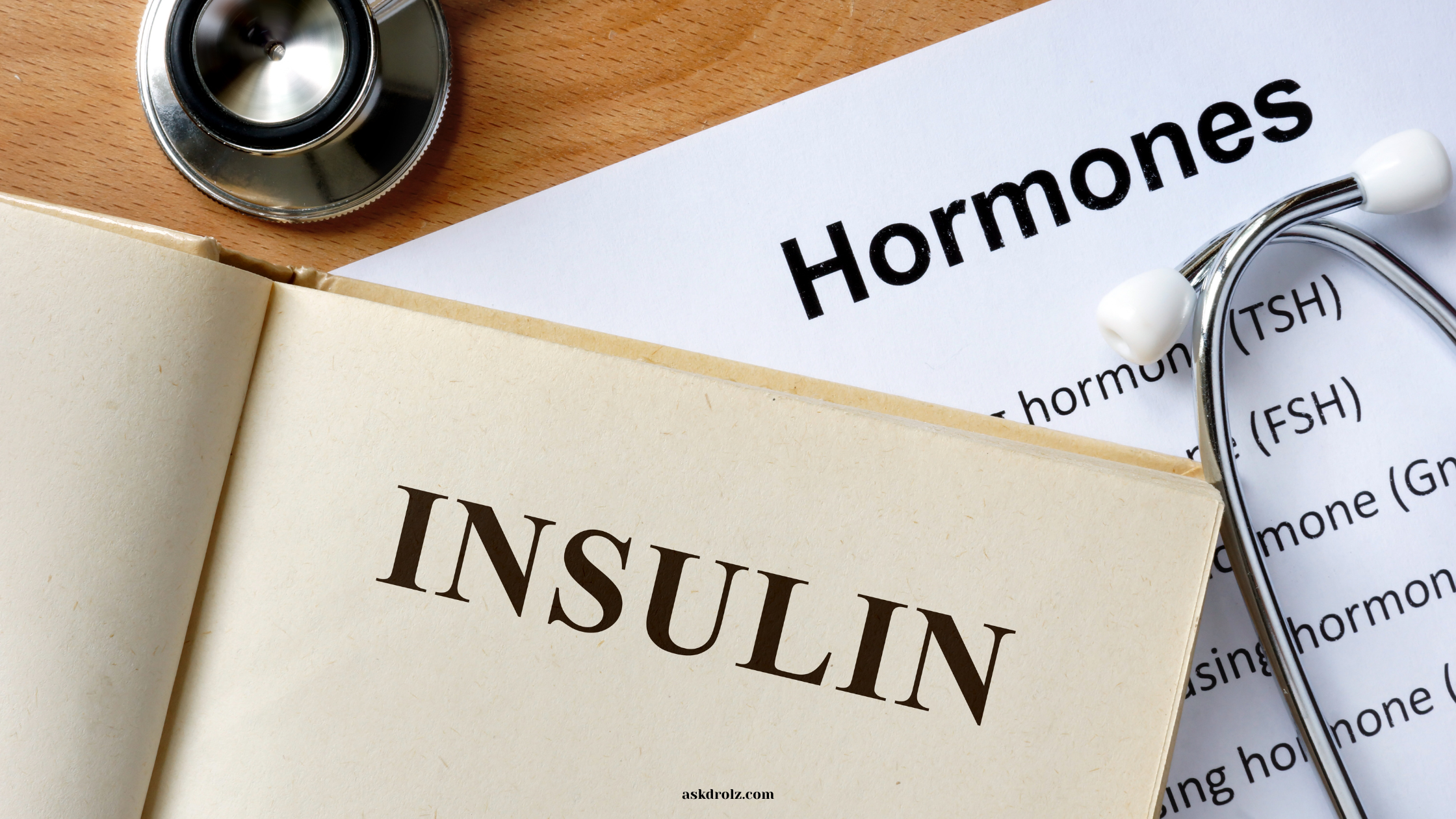
1. Insulin

Insulin controls fat storage.

Chronic stress, poor sleep, and frequent snacking can lead to insulin resistance, making fat loss difficult even on a “healthy” diet.

2. Cortisol (Stress Hormone)

Persistently high cortisol promotes:

  • Abdominal fat storage
  • Cravings for sugar and refined carbs
  • Muscle breakdown

This is why high-stress lifestyles often lead to stubborn belly fat.

3. Thyroid Hormones

Thyroid hormones regulate metabolic speed.

A sluggish thyroid can cause:

  • Unexplained weight gain
  • Fatigue
  • Cold sensitivity

Many people struggle despite “normal” test results.

4. Estrogen and Progesterone

Hormonal shifts affect fat distribution and appetite regulation.

Imbalances may contribute to:

  • Weight gain around hips and thighs
  • Fluid retention
  • Increased cravings

5. Testosterone (Men and Women)

Low testosterone reduces muscle mass, which lowers calorie burn at rest.

This often accelerates weight gain after 30.

Is Diet Still Important? Yes, But Differently

Diet quality matters more than calorie counting.

After 30, weight loss is influenced by:

  • Blood sugar stability
  • Protein intake
  • Inflammatory load
  • Meal timing

Eating less without supporting hormones often backfires.

Why Exercise Alone Stops Working

Excessive cardio and under-recovery can:

  • Raise cortisol
  • Worsen fatigue
  • Stall fat loss

Strength training and recovery become more important with age.

How to Know If Your Weight Gain Is Hormonal

Weight gain is more likely hormonal if:

  • Fat accumulates around the abdomen
  • You feel tired despite sleeping
  • Cravings feel uncontrollable
  • Weight does not respond to dieting
  • You experience mood or cycle changes

What Actually Works for Weight Gain After 30

Sustainable fat loss requires:

  • Hormone testing where indicated
  • Nervous system regulation
  • Blood sugar support
  • Targeted nutrition and movement
  • Individualised supplementation

Generic plans rarely work long term.

How Ask Dr Olz Approaches Weight Gain After 30

At Ask Dr Olz, weight gain is addressed through a functional, root-cause approach.

This includes:

  • Identifying hormonal drivers
  • Supporting metabolism and insulin sensitivity
  • Reducing stress load
  • Creating realistic, personalised plans

The goal is fat loss that feels natural, not forced.

Hormone or Diet? The Real Answer

Weight gain after 30 is rarely just diet.

Hormones set the rules. Diet and exercise must work with them, not against them.

👉 Book an online consultation with Ask Dr Olz to understand what is driving your weight gain and how to fix it safely and sustainably.

hipaa compliant telehealth in south africa

Picture of Dr. Olwethu Sotondoshe
Dr. Olwethu Sotondoshe

My mission is to empower individuals to achieve optimal health through holistic and integrative care. We are committed to providing personalized telehealth consultations and premium wellness products that support and enhance your well-being.

Leave a Reply

Your email address will not be published. Required fields are marked *