

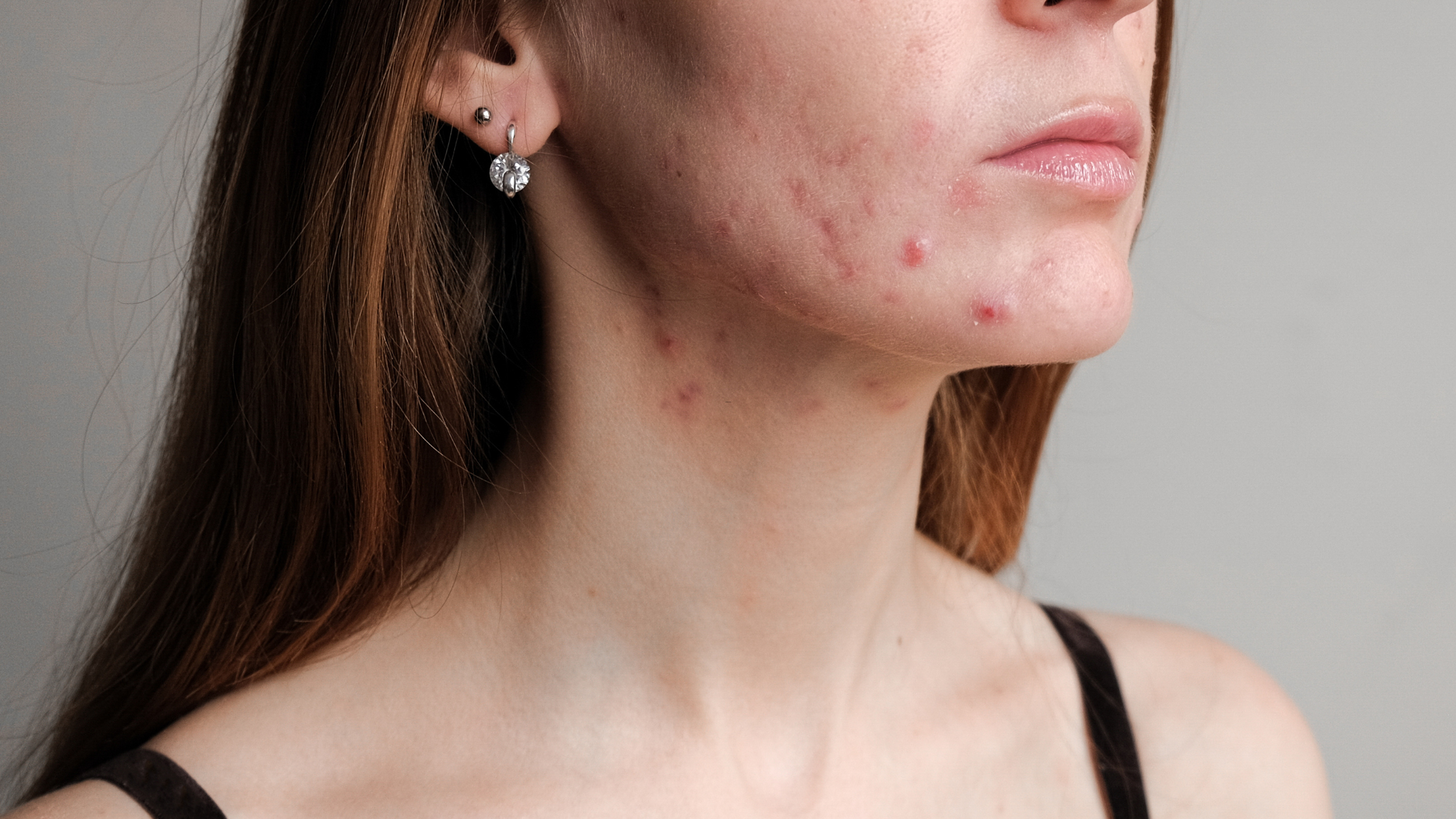
Hormonal pimples are one of the most frustrating skin issues anyone can experience. They show up when you least expect them, they tend to flare during predictable times like your cycle or stressful seasons, and they often refuse to budge even when you use every skincare treatment you can find. If you have ever wondered why you keep breaking out even though you wash your face properly, eat fairly well and try to look after yourself, hormonal pimples are usually the hidden culprit.
As a South African functional medicine practitioner, I see hormonal pimples almost every day in practice. They affect teenagers, students, young adults, mothers, working professionals and even men. It is a sign that your inner hormone environment is out of balance. Once you fix the internal picture, the skin clears on its own. This article is your complete guide to understanding and treating hormonal pimples with a natural, root cause approach.
This is not a quick list of surface level skin hacks. It is a deep, evidence based and practical breakdown of why hormonal pimples happen, how to test for them, how to treat them with lifestyle and targeted supplements, and how to achieve clear skin that stays clear.
Throughout this guide, you will see the focus keyword hormonal pimples naturally integrated in a way that strengthens search visibility without sounding forced.
Hormonal pimples are acne breakouts driven by fluctuations or imbalances in your hormones. These pimples normally appear around the jawline, chin, cheeks and sometimes the neck or back. Unlike regular breakouts that often respond well to skincare products, hormonal pimples feel deeper, more painful and tend to return in cycles.
The most common hormones responsible for hormonal pimples include:
When these hormones shift out of balance, your oil glands become overactive, pores clog more easily, inflammation rises and bacterial overgrowth builds inside the pores. That combination creates stubborn hormonal pimples that are tender, swollen and harder to treat with topical products alone.
Although everyone is different, most people with hormonal pimples complain of:
A key sign is the pattern and timing. If your breakouts follow a cycle, especially a monthly one, you are most likely dealing with hormonal pimples.
Understanding what drives hormonal pimples is the first step to clearing them. While each person may have a unique root cause, the most common triggers are the following.
Before your period, progesterone drops and oestrogen shifts. Oil production increases and pores become more sensitive. This is why many people break out one week before menstruation.
Elevated testosterone, whether in women or men, increases sebum production. More oil means more clogged pores and deeper hormonal pimples. Women with PCOS often experience this pattern.
Cortisol spikes trigger inflammation, blood sugar swings and oil gland overactivity. This leads to stress related hormonal pimples that appear during exams, workload pressure or emotional strain.
High insulin increases androgen levels. This cycle drives oily skin and stubborn cystic pimples. Many people have insulin driven hormonal pimples without realising it.
Your gut and skin communicate constantly. Dysbiosis, bloating, constipation or low healthy bacteria levels increase inflammation and worsen hormonal pimples.
Your liver processes hormones. If detox pathways are sluggish due to nutrient deficiencies or chronic inflammation, excess hormones circulate and trigger hormonal pimples.
Some skincare products clog pores or disrupt the skin barrier, making hormonal pimples worse. The root cause is internal, but poor products can amplify the problem.
If you relate to any of these, hormonal pimples are likely the issue:
When hormonal pimples appear with fatigue, weight gain around the stomach, cravings for sugar or irregular cycles, it is often part of a bigger hormonal imbalance involving your thyroid, adrenal or ovarian function.
Not every case needs testing, but if your hormonal pimples are severe, long standing or affecting your confidence, testing can reveal clear answers.
Testing removes guesswork. It shows exactly which hormones are triggering your hormonal pimples.
Now we get to what truly matters. Treating hormonal pimples from the root requires three main steps:
Balance hormones.
Reduce inflammation.
Fix the gut and detox pathways.
Below is a complete step by step guide used in functional medicine.
Blood sugar control is the foundation. When insulin spikes, androgen levels rise. When androgens rise, hormonal pimples worsen.
These small changes stabilise hormones and significantly reduce hormonal pimples.
If stress is high, your skin will show it. Cortisol directly triggers hormonal pimples.
Small lifestyle tweaks often produce big changes in hormonal pimples.
Your liver clears used hormones. If the detox pathway slows down, excess hormones recirculate and lead to hormonal pimples.
These changes help your body clear the hormones that trigger hormonal pimples.
A healthy gut equals healthy skin.
Once the gut calms down, hormonal pimples reduce naturally.
Skincare supports the treatment but cannot replace internal healing.
A stable routine helps manage hormonal pimples without irritating the skin.
Avoid these common triggers:
Once you remove these, hormonal pimples improve quicker.
Based on functional medicine principles, these are the most helpful nutrients for hormonal pimples:
These support hormonal regulation, gut balance and inflammation reduction, which all drive hormonal pimples.
If you want tailored recommendations for Ask Dr Olz with the Metagenics products you currently have in stock, I can generate those once you share which ones are available.
Most hormonal pimples improve noticeably within 6 to 12 weeks once you balance hormones, support the gut and use the right skincare. Severe cases may take three to six months. The key is consistency and addressing the internal causes, not only the surface.
Yes. Men produce testosterone continuously. Excess testosterone, stress or poor diet can cause hormonal pimples in men.
They are common, but not normal. They signal deeper imbalance.
Not usually. They may improve temporarily but return until the hormonal root cause is addressed.
The jawline is highly sensitive to androgen receptors. When hormones shift, this area reacts first.
Yes. Once the hormonal drivers are balanced, most people achieve clear skin without needing long term medication.
Hormonal pimples are not random. They are a message from your body that something deeper needs attention. Whether the imbalance comes from stress, insulin resistance, high testosterone, a sluggish liver or gut inflammation, the good news is that these issues can be corrected.
When you take a root cause approach, hormonal pimples stop returning. Your skin becomes clearer, calmer and more consistent. This guide gives you the foundation, and if you want a personalised plan tailored to your hormones, I can help you structure that step by step.

My mission is to empower individuals to achieve optimal health through holistic and integrative care. We are committed to providing personalized telehealth consultations and premium wellness products that support and enhance your well-being.





WhatsApp us